This section provides an overview of the social and environmental impact of pearling and pearl farming of various countries and pearl types as featured in the World Jewellery Confederation (CIBJO) pearl guide. It covers cultured pearl sector-wide and private achievements and on-going initiatives descriptions which are either publicly available and/ or have been provided by stakeholders. 

Akoya pearls

Akoya pearls are harvested from the Akoya complex group composed of Pinctada fucata, imbricata and radiata sub-species.  
Their population have been under threats with successive waves of mortality related to water quality, population growth and climate change impact.  
Natural resource and waste management, and impact measurement pilot projects are in place to alleviate related risk and ensure Akoya pearl production and harvesting continues to thrive. 

China no longer produces Akoya pearls in quantity, Vietnam became a reliable source over the years, whilst Australia and United Arab Emirates produce at boutique level. Recent publications suggest that Akoya pearls could be grown in the Mediterranean as a result of climate change. 

Japan

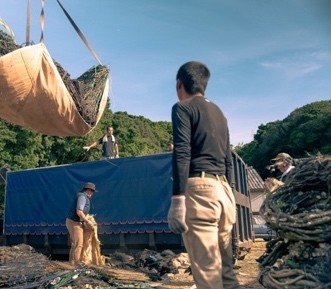
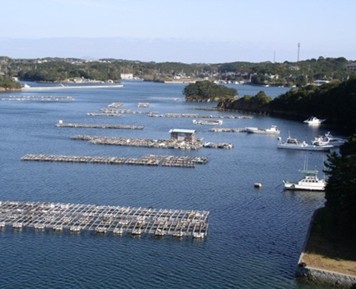
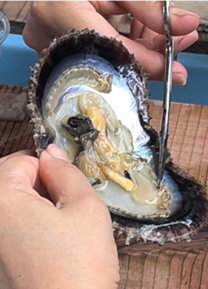
Captions & photos credits: Akoya oyster mantle (saibo) cutting, Akoya pearl farm located in rias coastlines and recycling of scrapped fishing gears @JapanPearlExportAssociation (JPEA) and Japan Pearl Promotion Association (JPPS). 

Background

  • The first spherical pearls produced in Japan about 100 years ago marked the beginning of the cultured pearl industry.  
  • Most pearl farms in Japan are located along rias coastlines characterized by the proximity of mountains to the sea and rivers providing nutrients and minerals needed for the growth of plankton, which is food for akoya oysters. 
  • With less pearl oysters and nuclei, succession and industrial waste issues, the industry needs innovation and changes to drive growth and ocean regeneration.

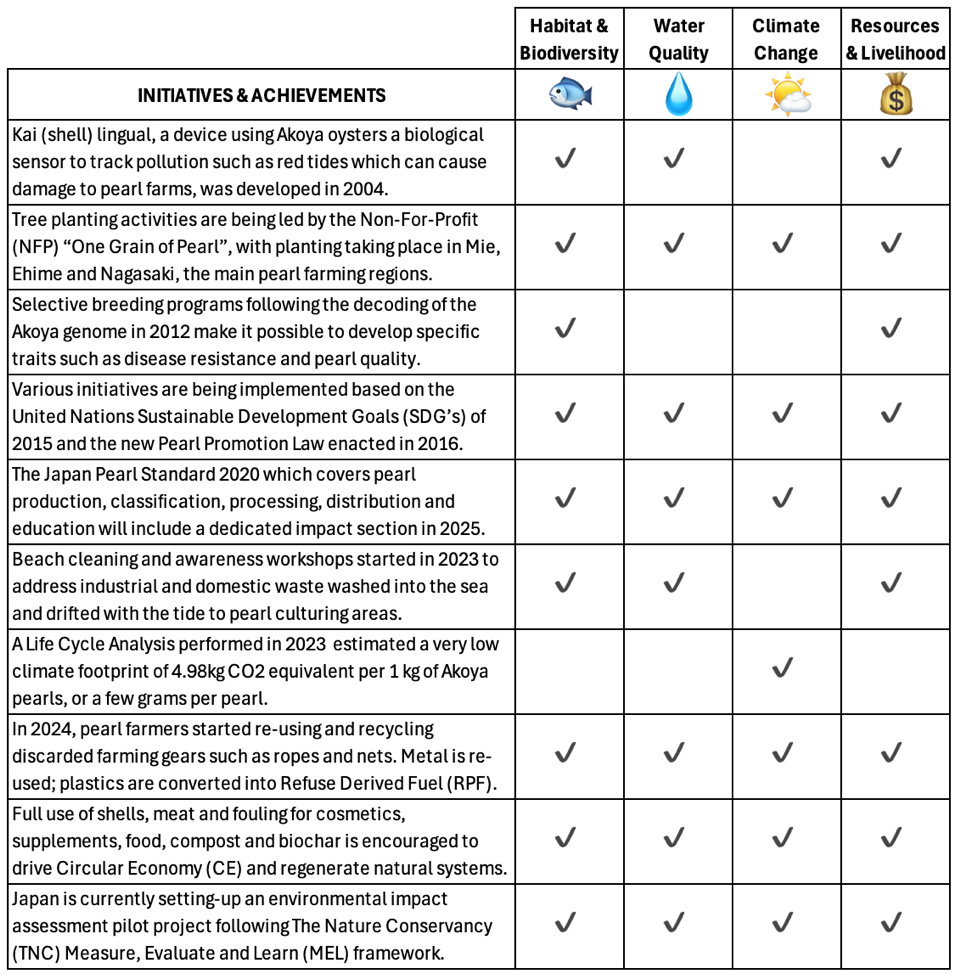
Initiatives & Achievements

South Sea pearls

South Sea pearls grow in Pinctada maxima, the largest pearl-bearing oysters, which is only found in a narrow corridor stretching from northern Australia to southern Japan, which includes Indonesia, the Philippines and Myanmar. 

Hatchery technology and responsible resource management measures are in place to ensure suitable Pinctada maxima oyster remain available in quality and quantity. 

Regulatory environment, farming and harvesting techniques vary between producing countries, driving different impact profiles and on-going initiatives and achievements detailed below:
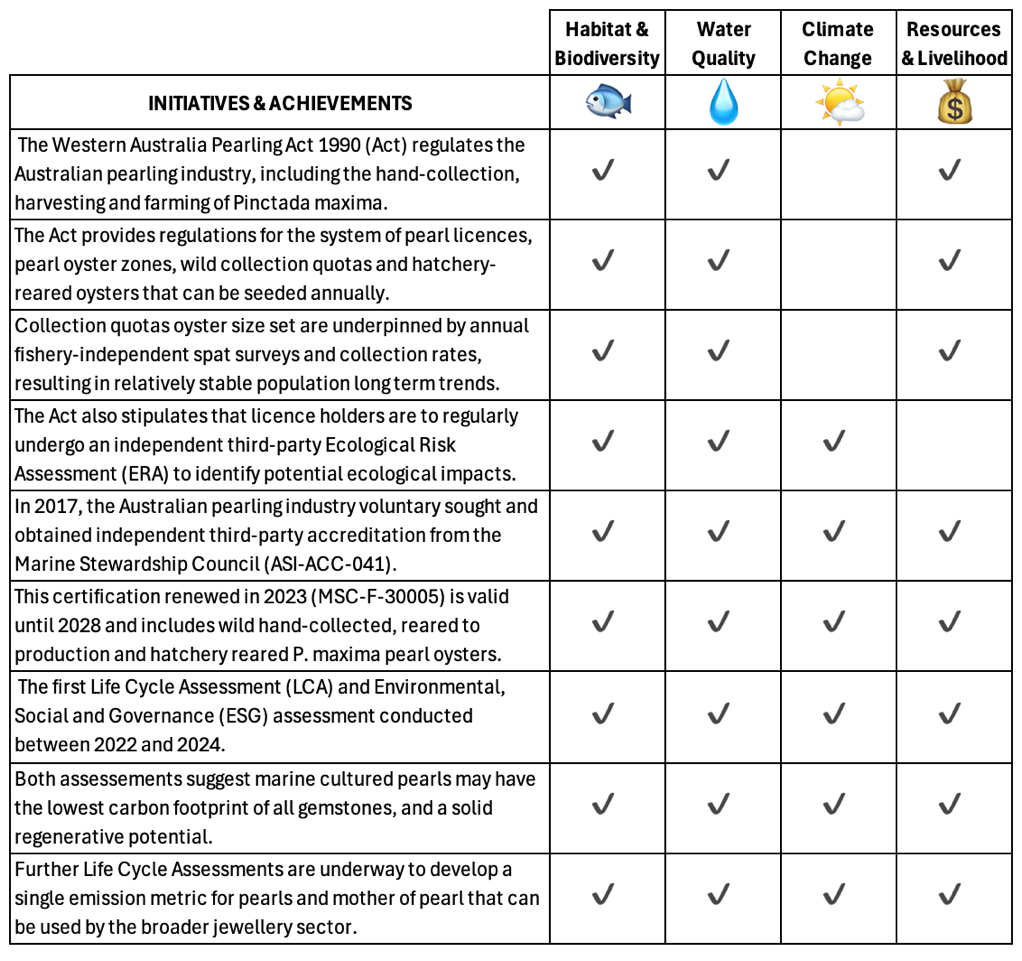
Australia

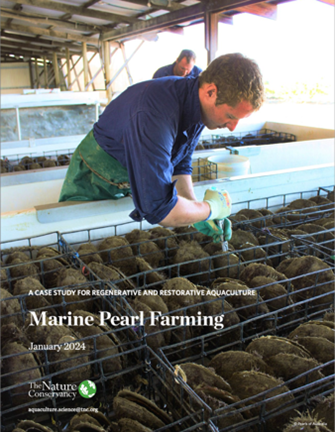
Captions & photos credits: Pearl extraction @Paspaley, pearl oyster diving @PearlsofAustralia, Regenerative aquaculture case study @TheNatureConservancy.

Background

  • Aboriginal and Torres Strait Islander people harvested and used mother-of pearl (MOP) long before pearling even started and Broome became a global hub in the 1850’s. 
  • Australia’s pearlers gradually forged a new industry of cultured pearl farms, beginning at Kuri Bay in 1956 and developed new technologies, safer practices and better understanding of oyster husbandry and sustainability.  
  • They continue to innovate today and remain committed to growing perfect pearls.  

Initiatives & Achievements

Indonesia

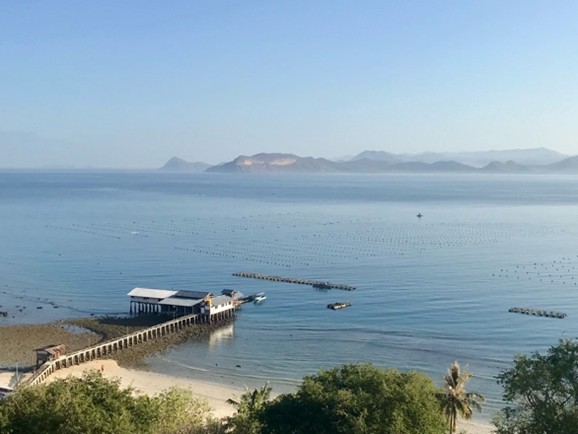
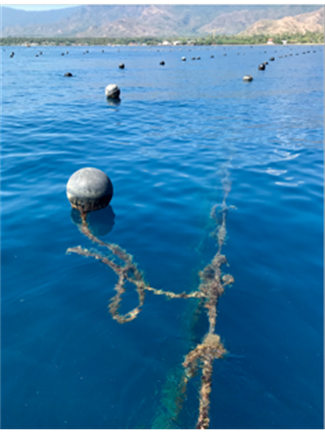
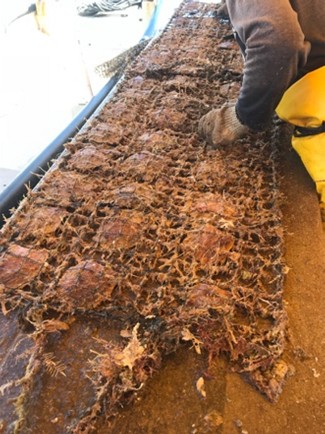
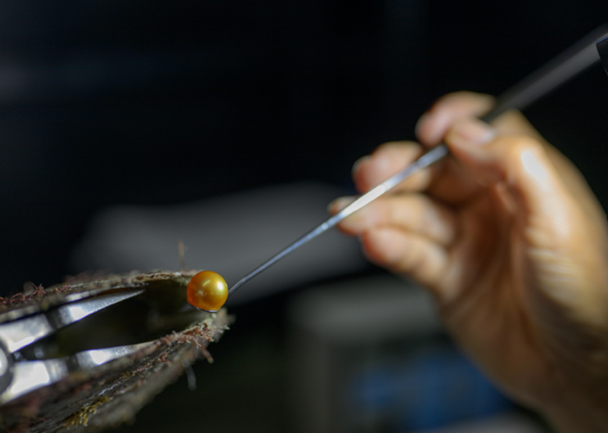
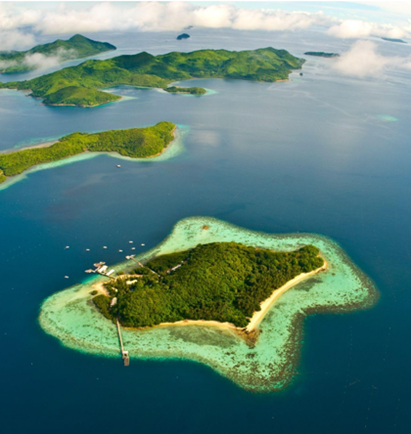
Captions and photos credits: Surface long lines and oysters cleaning at PT Cendana Indopearls farm North Bali, pearl farm in West Nusa Tenggara @PierreFallourd 

Background

  • In 1918, the Fujita brothers began operations on Buton Island, Sulawesi and harvested the first commercially viable South Sea pearls crop in 1928. 
  • The industry regained momentum after WW2 in the 70s with laws allowing foreign ownership in Indonesia, and in the 1990s with advancements in hatchery technology. 
  • Pearl farming in Indonesia is managed under the authority of the Ministry of Marine Affairs and Fisheries (KKP) which cover aquaculture operations, environmental sustainability, and trade. 

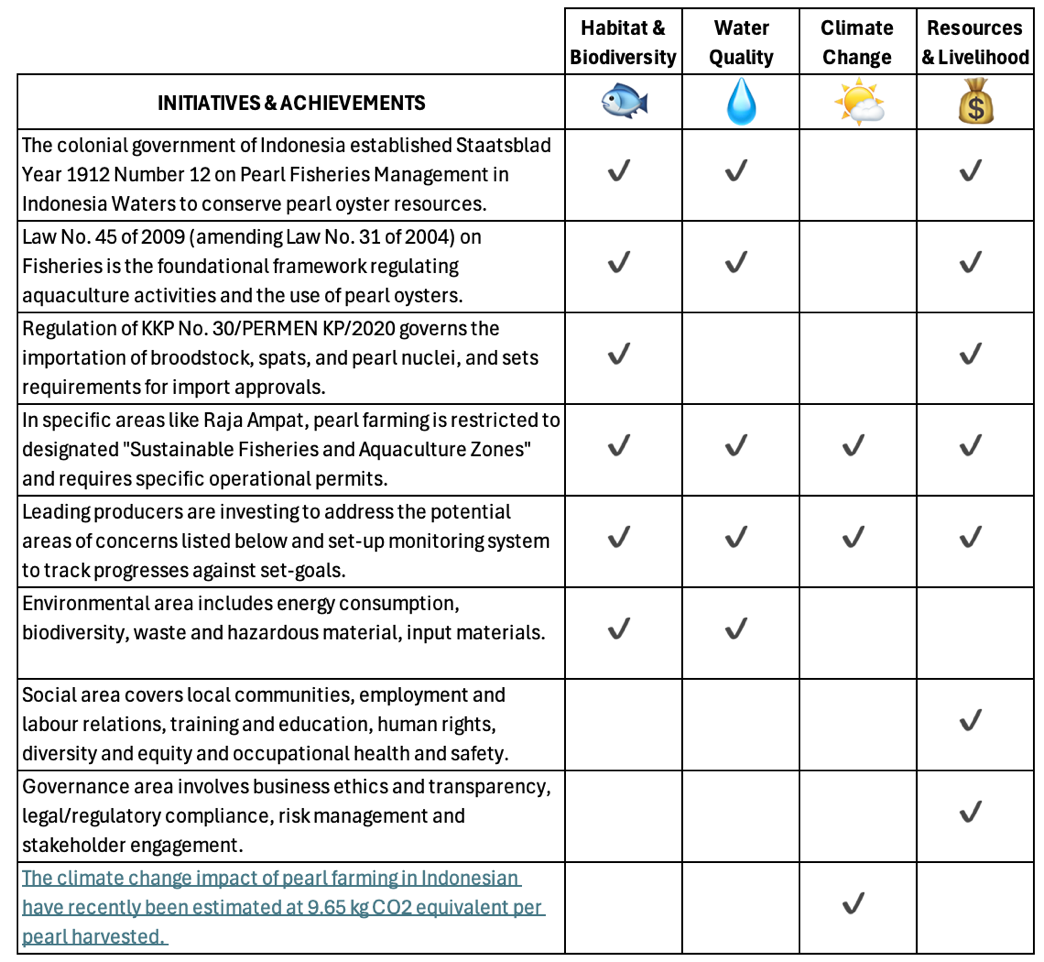
Initiatives & Achievements

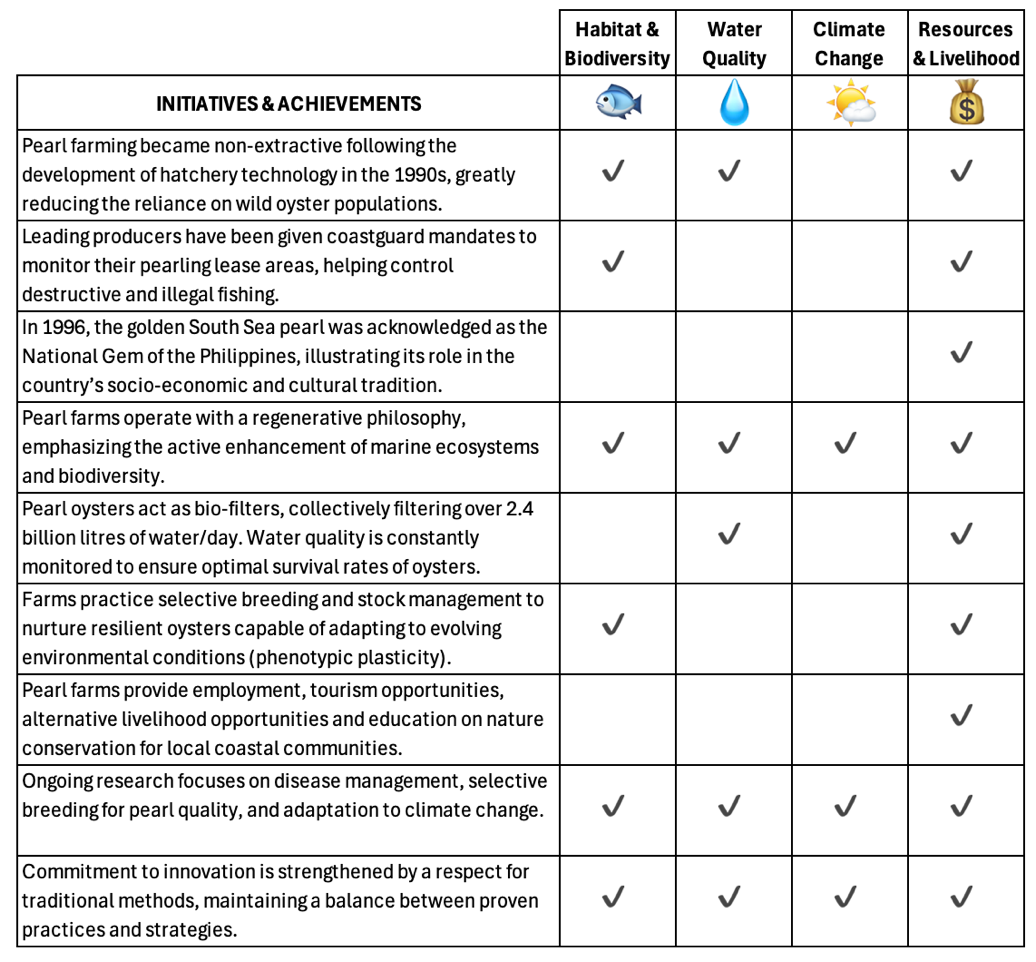
Philippines

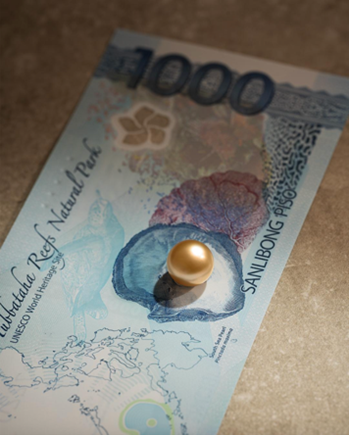
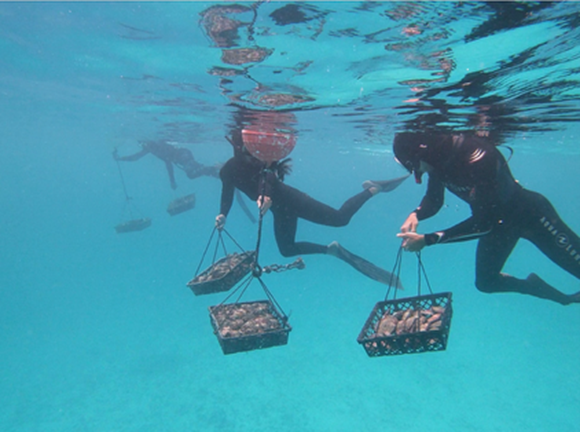
Captions & photos credits: Pearl Farm in Palawan @Jewelmer, Pearl extraction ©Jewelmer, Philippines National Gem @Jewelmer.

Background

  • Most pearl farms in the Philippines are located in Palawan, the centre of the Coral Triangle, which is home to an influx of marine and coral biodiversity.  
  • Pearl farming regulations are overseen by the Bureau of Fisheries and Aquatic Resources (BFAR), under its Fisheries Order No. 214 Code of Practice in 2001.
  • The code outlines general principles and guidelines for environmentally-sound design and operation and covers:  site selection and evaluation; farm design and construction; environmental impact statements; water usage and discharge management; sludge and effluent control; responsible use of drugs, chemicals, pesticides, and fertilizers; stock selection and stocking practices; management of exotic species or genetically modified organisms; feed use; fish health management; aquaculture data reporting; and incentives for compliance.

Initiatives & Achievements

Black pearls

Tahitian and Fiji pearls are harvested from Pinctada margaritifera pearl oysters (respectively cumingii and typica sub-species) which grow between the tropics all around the globe.  

Responsible baby oyster collecting and increasingly hatchery technology contributed to make the sector non-extractive.  

Waste and resource management are crucial to ensure quality pearls can continue to be harvested in those ecosystems and provide livelihood opportunities to communities living in often isolated areas. 

French Polynesia

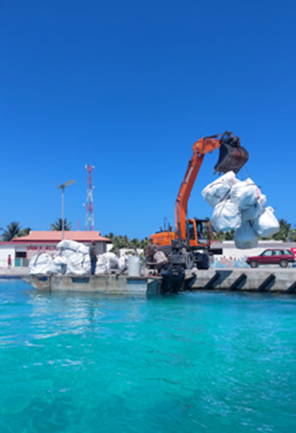
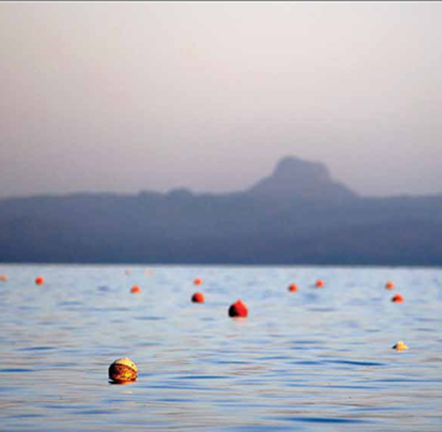
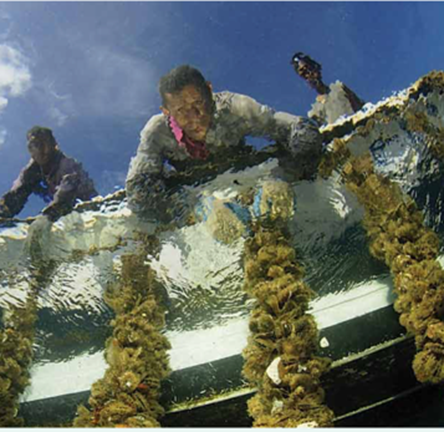
Captions & photos credits: Pearl oyster transfer, industrial waste management and Code of Practice (CoP) @AndreFouet and @Direction des Resources Marines (DRM)

Background

  • Pearl farms in French Polynesia operate in semi-enclosed lagoons where oyster density is crucial for success and impact of chemicals (leachates) and microplastics from farming equipment degradation can affect oyster survival and pearl quality. 
  • Both spat (baby oysters) collection and hatcheries provide oysters for pearl cultivation and support population settlement in remote areas despite the logistical challenges. 
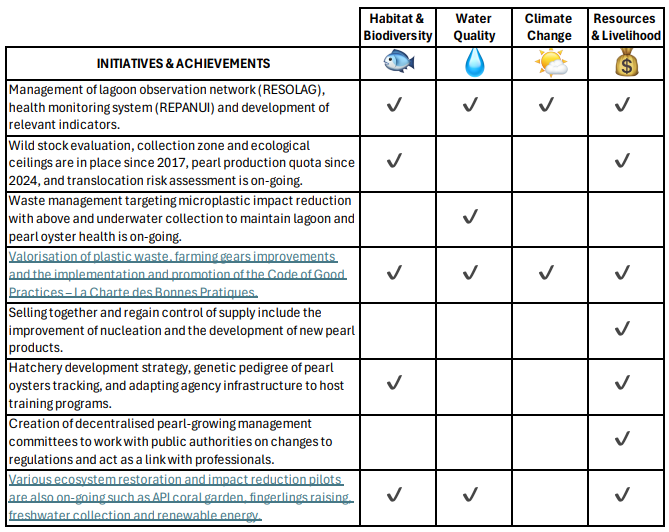
  • The activities of local government and fisheries managed by the Direction des Resources Marines (DRM), are listed below:  

Initiatives & Achievements

Fidji

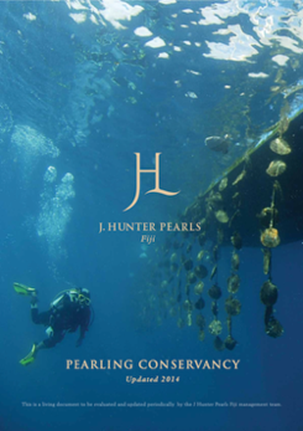
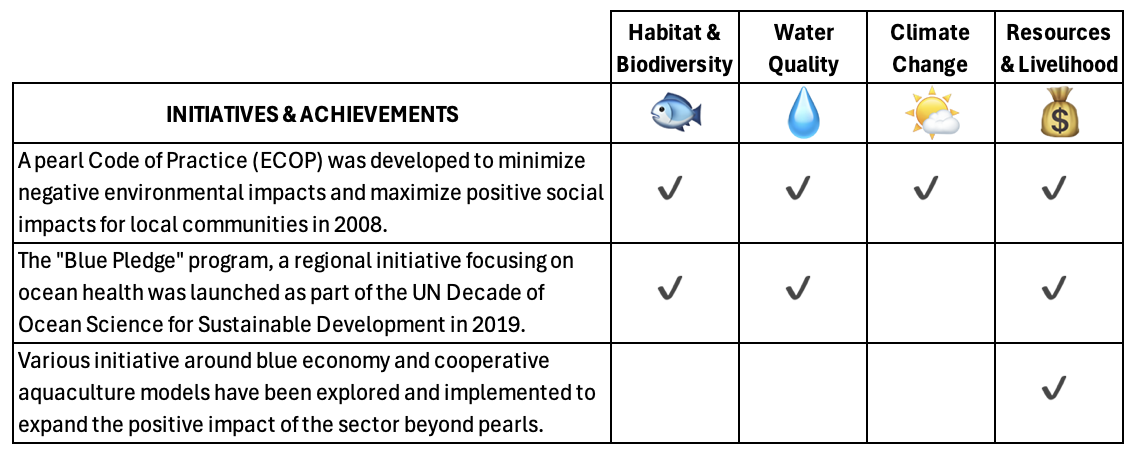
Captions & photos credits: Surface long lines at Sunrise, pearl oyster collecting and Code of Practices (CoP) @JHpearls

Background

  • In 2014 Fiji pearl producers had a vision is to establish an Industry that will provide an expanding job market and will offer benefits to coastal communities.  
  • Its goal was to produce beautiful pearls but also be responsible in promoting and protecting their marine environment and the communities that share them.  
  • Pearl farming activities are based in Savusavu Bay, and Buca Bay, Vanua Levu, in the Republic of the Fiji Islands. 

Initiatives & Achievements

Freshwater pearls

Hyriopsis cumingii mussels giving birth to most freshwater pearls are primarily grown in China. China is a significant player thanks to production volume estimated in the hundreds of tons, but also because it has been a major destination market of all other pearl types. 

Regulatory environment is up-to-date and implemented and the industry technology very advanced in terms of productivity, but also resource and waste management. 

Key areas of focus are feed and water quality from both a cost and impact point of view, making sustainability a potential engine for further growth.

China

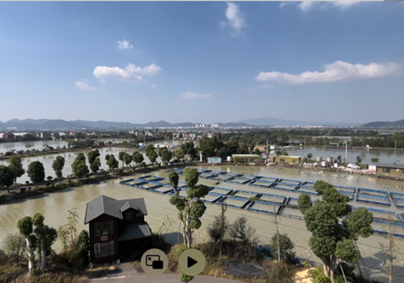
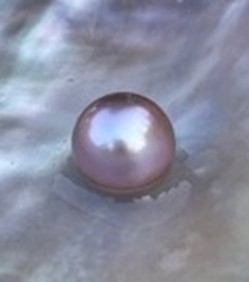
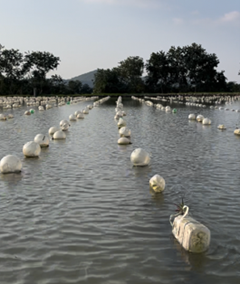
Captions & photos credits: Traditional pearl farm, bead-nucleated “Edison” freshwater pearl, fully integrated Recirculation Aquaculture System (RAS) pearl farm @Pierre Fallourd 

Background

  • Chinese Freshwater Cultured Pearls (FWCP) have a long history dating back to the 5th century BC, with significant growth in production since the 1970s. 
  • The farming of freshwater pearls has gradually become standardized, with pearl farming area and output showing an overall decline ad pearl quality improvement. 
  • Until recently, freshwater pearl mussels have been raised in re-purposed rice filed and fed using agriculture by-products, raising concerns about water quality and safety. 
  • Modern farms promoting co-cultivation of fish and mussels and closed-loop Recirculation Aquaculture Systems (RAS) are addressing those issues. 
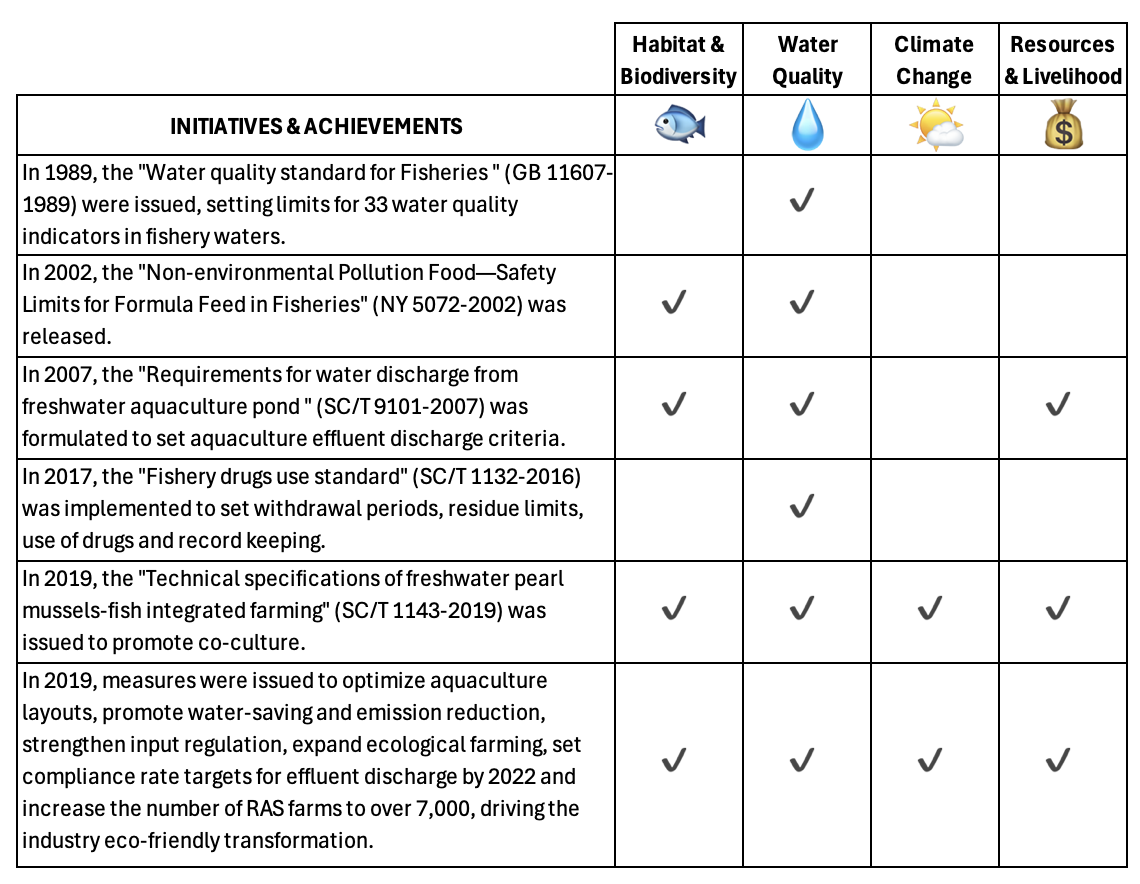
  • China has been continuously issuing standards and systems to establish an aquaculture environmental governance system and promote sustained improvement in aquaculture environmental quality.  

Initiatives & Achievements

Note

Thailand is emerging as a freshwater pearl producer whilst the USA and Japan continue to produce at boutique level