With an increasing population and limited available natural resources, social and environmental Impact measurement and management are becoming an integral part doing business.

Pearling and pearl farming are often referred to as sustainable because of the natural incentive to care for both people and plane; each pearl reflects the journey of the mollusc it grew within.

Most of us are familiar with United Nations 17 Sustainable Development Goals (SDG’s) and Corporate Social Responsibility (CSR) which listed priorities and associated voluntary social and environmental actions.

The recent emergence of Environmental, Social and Governance (ESG) and Nature Capital Accounting (NCA) really introduced metrics to establish natural resources baselines, objectives and value related performance tracking. 

Circular Economy

The circular economy is a system where materials never become waste and nature is regenerated. In a circular economy, products and materials are kept in circulation through processes like maintenance, reuse, refurbishment, remanufacture, recycling, and composting. The circular economy tackles climate change and other global challenges, like biodiversity loss, waste, and pollution, by decoupling economic activity from the consumption of finite resources. 

https://www.ellenmacarthurfoundation.org

Japanese SATOUMI

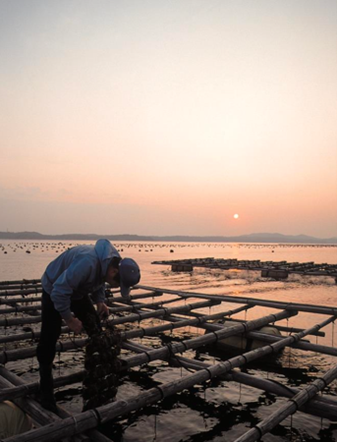
Japanese pearl farms near populated areas support a circular economy called Satoumi, where human activity boosts coastal productivity and biodiversity. 
Coastal pearl farms border satoyama landscapes, which supply nutrients to the sea through rivers. Plankton feed on these nutrients, then Akoya oysters consume the plankton to grow, making pearl farming part of this natural cycle.

Recycling of discarded pearl farm gears

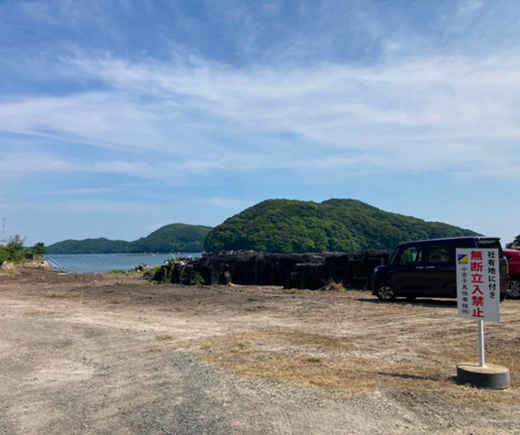
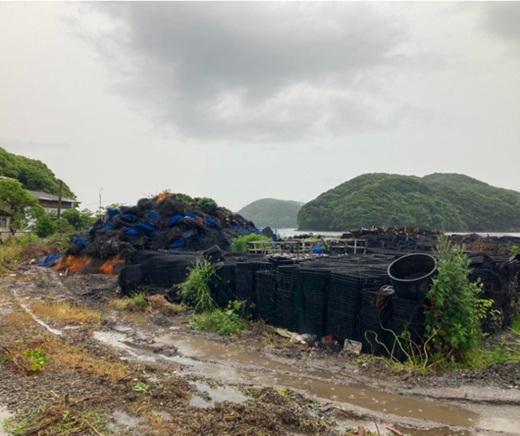
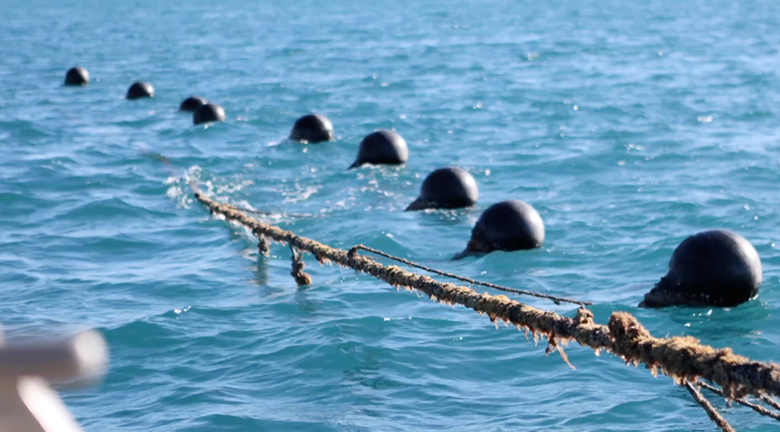
Many Japanese pearl farms have closed due to aging operators and no successors, resulting in abandoned farming equipment.

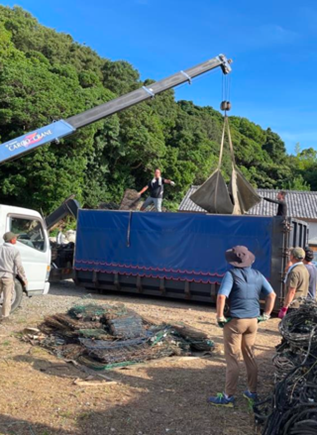
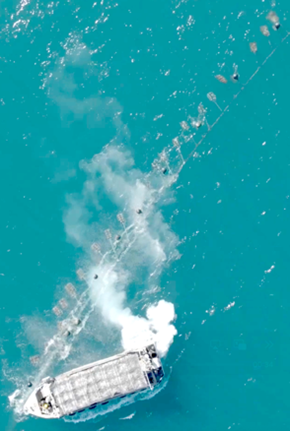
Nagasaki and Mie Prefectures have started collecting discarded cages, rafts, buoys and bars for recycling.  10 tons of discarded gears were collected and crushed in 2024 in Shima City, Mie Prefecture. The plastic was converted into RPF (Refuse-Derived Fuel, a solid fuel made from paper waste and plastic) for thermal recovery.

The iron was sent via an electric furnace company to gear manufacturers, where it was used to produce new aquaculture cages, establishing a resource circulation loop. 

Recycling pearl farming cages reduces CO₂ emissions by approximately 1,617.4kg (equivalent to 27.8%) per 1,000kg of waste cages compared to manufacturing new cages from virgin materials (according to research by the University of Tokyo's International Fisheries Development Laboratory). 

Regenerative aquaculture

Regenerative aquaculture is defined as commercial systems that provide positive and restorative environmental outcomes.

In 2023, the first ESG assessment of a marine pearl farm was conducted in Australia in parallel with a Life Cycle Assessment which outcome confirmed the regenerative potential of pearl farming and pearls holding one of the lowest carbon footprint of all gemstone (from a few grams to a few kilos of CO2 Equivalent per pearl).

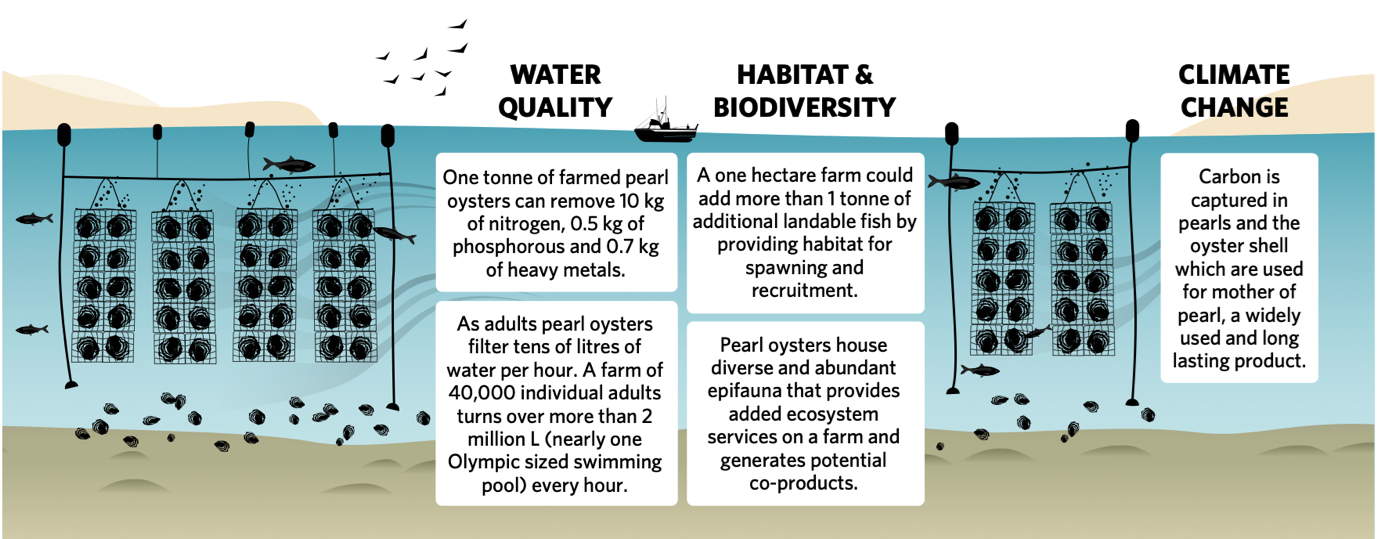
Potential environmental benefits of regenerative and restorative practices in marine pearl farming @The Nature Conservancy. 
 
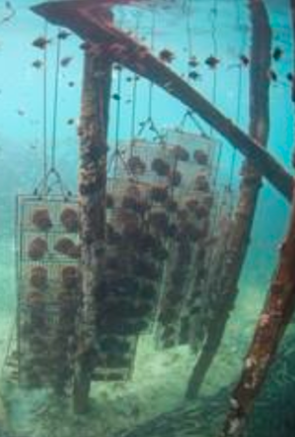
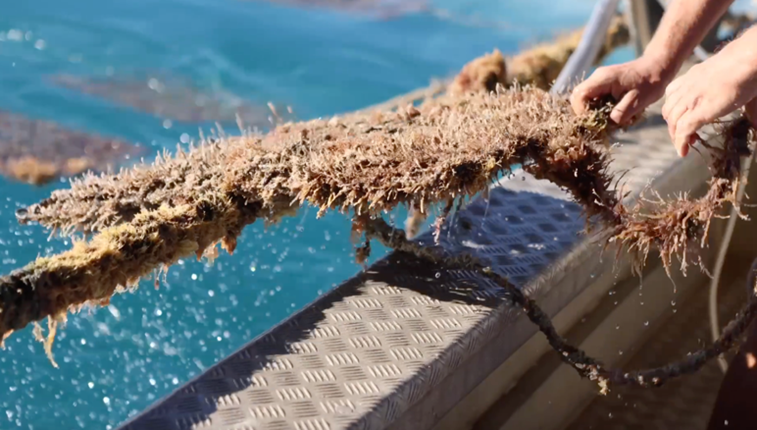
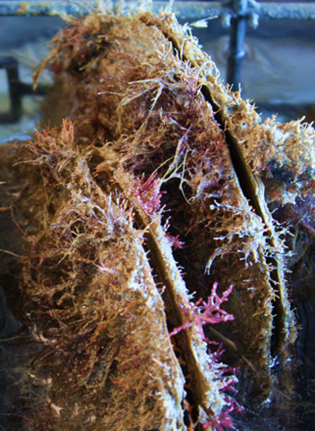
According to The Nature Conservancy, the potential benefits of pearl farming are Habitat and biodiversity: Epibiota commonly occurring on pearl farms can be abundant and diverse. This biofouling could be an important source of habitat or food for fauna in the environment, or an additional source of commercial product. 
 
Water quality: Like all oyster species, pearl oysters filter water, with species-specific filtration rates often reported to be higher in Pinctada species than other oysters. Water filtration can contribute to remediating eutrophication through the uptake of nutrients (nitrogen, phosphorus, and carbon) and heavy metals in the pearl and shell.

Climate change: Carbon cycling and uptake/absorption occurs within oyster shells, which could be directed toward long term storage or sinks, including product-based sinks such as biomaterials

Sustainable food, resources, and livelihood: Pearl production is an important economic opportunity associated with the provision of raw materials through ornamental resources, and the oyster can be used for food. Pearl oysters, therefore, provide the opportunity to produce a comparatively higher value product or products with 100% utilization. The value of pearls and labour-intensity of farming (e.g., seeding of the pearl) can contribute to economic and social security, particularly in remote areas. The cultural importance and long history of pearling provide opportunities for tourism, education, and cultural or spiritual experiences. 

If farmed well, pearls represent a product differentiated by their sustainability in the gemstone market. The nature of pearl farming and low stocking densities can result in these aquaculture systems being relatively benign (e.g., little or no impacts on benthos) or, in some cases, the benefits provided offer the potential for a net-positive environmental outcome.  

Nature positive

Natural capital accounting is the process of calculating the total stocks and flows of natural resources and services in a given ecosystem or region. 
 
Marine pearl farming impact profile varies depending on species, methods and environment but the value of benefits to community and ecosystems per hectare can exceed its cost.  

For example, a pearl farm producing 10,000 pearls per hectare (each with a 1kg carbon footprint) requires US$1,000 in carbon credits offset at US$100 per tonne, or just 10 cents per pearl.

Oysters also help improve water quality. Excess nutrients in oceans cause eutrophication, harmful algal blooms, oxygen depletion and shifts in species composition. Oysters naturally filter and remove these nutrients while feeding. Assuming one hectare of pearl farm produces 5t of oysters, which then remove 50kg of nitrogen valued at US$100/kg and 2.5kg of phosphorus valued at US$500/kg, the total bio-extraction equivalent value would be US$6,250. 

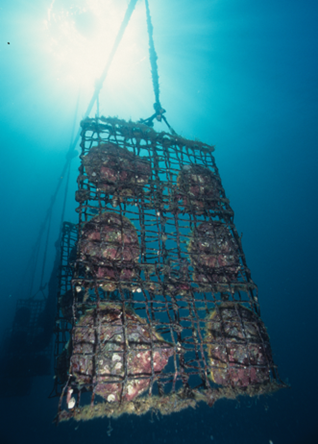
Farming gears such as ropes, baskets and nets hosting the oysters, and the oysters themselves, likewise provide support, shelter and food – further boosting biodiversity. Studies estimate the value of catchable fish in an oyster-suitable marine environment ranges from US$1,000 to US$5,000 per hectare. 
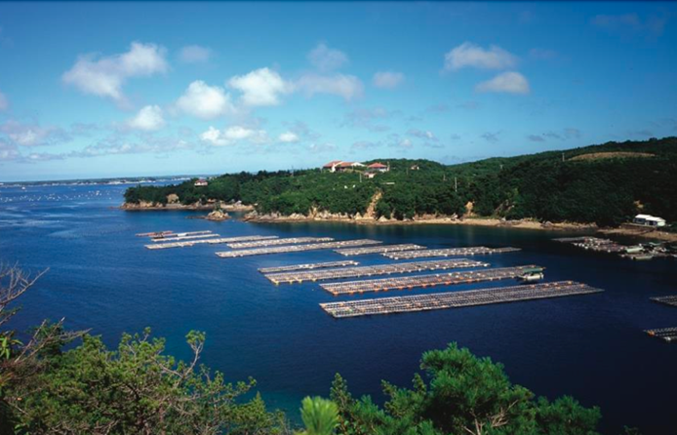
Meanwhile, pearl farming is labour-intensive, creating direct skilled employment in often remote areas, which can be complemented by education and empowerment opportunities for surrounding communities. Labour costs attached to one hectare of pearl farm alone can account for up to 30 per cent of pearl revenues generated at farm gate. Marine pearl farming’s environmental impact varies significantly depending on cultivated species, farming methods and the environment. The above assumptions, however, support pearl farming’s nature net positive potential where the value of benefits exceeds the costs. 

As such, there is a need for a more comprehensive evaluation through species- and location-specific measurement pilots to confirm these estimates. Community and ecological value alongside economic metrics can and should be recorded using financial tools such as a balance sheet.